
Baccarat for beginners can feel like stepping up to a machine you have not calibrated, yet the table itself is one of the more readable games in the lounge. The rules are fixed, the pace is deliberate, and the maths does not hide behind spinning reels or cascading pays. If you know how the shoe runs and how the layout nudges your attention, you can sit down with a clear head rather than a hopeful one.
Reading the table before you place a chip
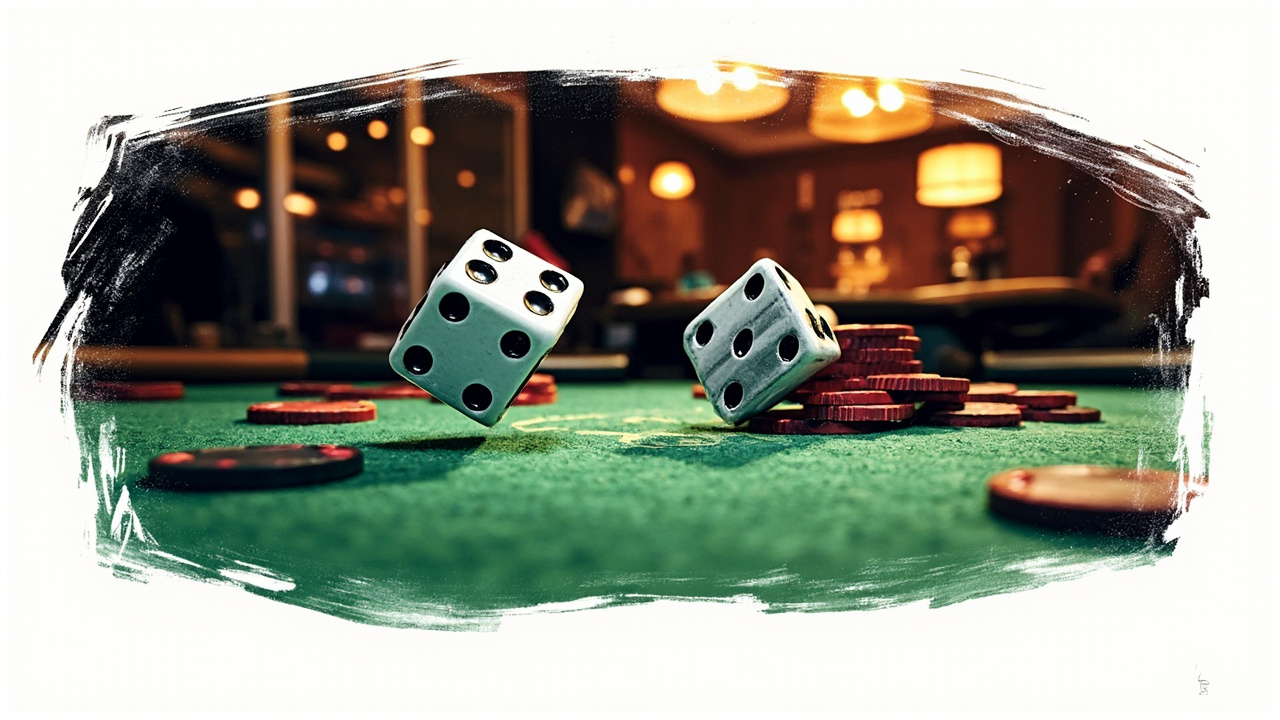
A well-designed floor never leaves traffic to chance, and the same discipline shows up in how a baccarat pit is arranged. The layout funnels foot traffic past the most profitable machines and tables, which is why you will often find the commission-free variants and the higher-limit baccarat tables set back from the main walkway. That positioning is not an accident; it is a quiet way of separating casual passers-by from players who have already decided to commit an arvo to the felt.
From a modelling perspective, the shoe is a sequence of independent trials with a small, persistent house edge on the banker side and a slightly wider one on the player side. I have spent years building tools that map complex slot mathematics, and the same habit of tracking variance over a full cycle applies here: short runs lie to you, while the long run does the honest work. The game does not reward superstition, but it does reward patience and a budget that you are comfortable losing before you first shuffle the cards.
The same discipline that keeps a long-term simulation honest also applies to tracking real-world match outcomes, where short-term streaks can easily mask the underlying probability curve. When you step back from the noise of individual sessions, the data begins to behave exactly as the models predict, and you can see why seasoned analysts always point to the full match archives for a clearer picture. Ultimately, whether you are mapping casino edges or sport betting markets, patience and a sufficiently large sample size are the only ways to let the mathematics speak for itself.Dynamicbusiness
How the shoe actually runs
The three outcomes and the commission
Baccarat for beginners usually comes down to three choices on the layout: player, banker, and tie. The dealer handles the draw rules, so you are not deciding when a third card appears; you are simply backing one of two sides that are statistically close but not identical. Banker wins more often over time, which is why the house applies a five per cent commission on those payouts rather than pricing the bet outright. That commission is the trade-off for the edge, and it is worth understanding before you start marking your scorecard.
The tie bet looks tempting on a slow night, but it pays at a rate that is hard to justify outside a very short, very lucky session. If you are tracking results the way I would track a volatility curve in a simulation, you will notice that tie outcomes cluster in ways that feel meaningful and are mostly just noise. The sensible beginner treats tie as a side note rather than a plan, and keeps the main action on the two principal lines where the maths is easier to read.
Pace, limits, and the crowd around you
A shoe moves at its own measured rhythm, and that pace is part of the game’s appeal for people who want action without constant decision-making. You place your bet, the cards fall, and the next round begins before the arvo has time to drag. Table limits vary, and a well-run room will offer a ladder from low-stakes tables up to higher-limit areas, which gives you room to calibrate your stake to your bankroll instead of matching the person beside you.
The maths around a crowded table is worth keeping in mind, because a single large loser does not define the night for the room. A “whale” losing big is offset statistically by the crowd’s steady losses, which is why the house can afford a big swing without changing the structure of the game. That is not a reason to chase anyone else’s session; it is a reminder that the table is a long sequence, not a personal contest. If you are comparing notes onMelbourne baccarat tables, where the pace and limits suit a quiet bankroll, you will usually find that the steadier players are the ones still sitting down at the end of the session.
Matching the table to your own habits
The right table for a beginner is the one that fits your patience, your bankroll, and the way you actually want to spend an evening. If you prefer a slower pace, a lower-limit table with a calm dealer and a manageable crowd will usually suit you better than a busy pit where the rounds blur together. If guvenpompa.net you are more interested in watching the shoe than in frequent action, baccarat rewards that posture more than many table games do, because the rules remove most of the decision load from your side of the felt.
You should also be clear about what you are there to do. This is a game of fixed odds and repeated trials, not a puzzle you can solve by reading the previous five hands. State-level regulators oversee the rooms and the conduct around them, which is why the rules on the felt and the terms behind the scenes are worth reading before you commit any money. If you are weighing a venue against the kind of measured, Canberra-adjacent planning that keeps a budget intact, the table that asks the least of you while still offering real action is usually the better fit.
The player-fit verdict
Baccarat for beginners works best for players who want a clear, low-decision table game with a pace they can control and a bankroll they can actually track. It is not the game for anyone chasing fast, dramatic swings, and it is certainly not a shortcut to profit. If you can sit with the shoe, respect the commission, and treat the crowd as background rather than signal, you will get exactly what the table offers: a steady, readable round of play with the odds laid out in plain sight. Have you played baccarat long enough to spot which table pace suits you, or are you still learning the rhythm of the shoe?
